
Key Topics Discussed
Stay active year-round: Regular outdoor activity supports seniors’ health, independence, and overall well-being.
Seasonal risks exist: Each season brings different hazards such as ice, heat, slippery leaves, or unpredictable weather.
Planning is key: Checking the weather, wearing proper footwear, and preparing for conditions are just a few steps we can take to prevent accidents and stay safe.
Medical alerts add peace of mind: Devices like Victoria Lifeline help seniors stay independent while knowing help is available if needed.
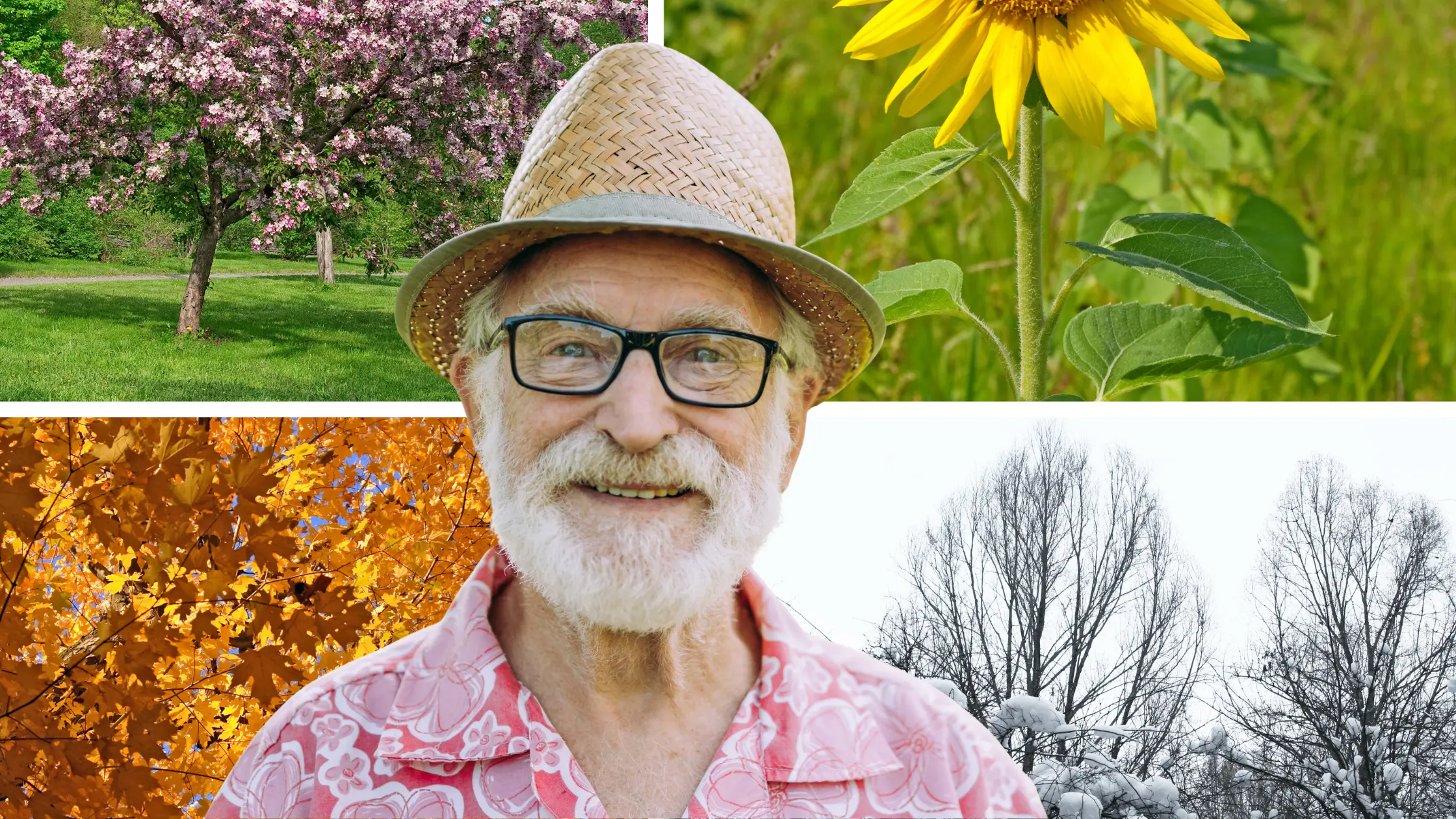
Each season in Canada brings unique safety risks for older adults. In winter, icy sidewalks and social isolation are major risk factors. Spring brings slippery, unpredictable conditions as temperatures shift. Summer increases the risk of dehydration and heat stroke. Autumn brings frost, wet leaves, and fading daylight. Year-round, everybody, especially older adults, must take important precautions to stay safe when outdoors. Outdoor safety precautions can include proper footwear, weather-appropriate clothing, staying connected with others, and having a reliable way to call for help.
Most older adults want to remain independent and active year-round. They’ve worked hard for years and now want to enjoy the fruits of their labour. Just because they may no longer have to follow a rigid calendar structure doesn’t mean they want to slow down. Whether they’re an avid gardener, a daily walker, or someone who loves stepping outside to breathe fresh air, staying active year-round as a senior is one of the best things someone can do for their health. But every season in Canada brings with it its own set of challenges. Being prepared can make all the difference between a great day outdoors and an unexpected emergency.
What Are Common Safety Risks for Active Older Adults?
Staying active and engaged with the world around us is really the key to healthy aging. It’s essential for maintaining physical health, mental well-being, and social connections. But it’s equally important to be aware of the risks associated with spending time outdoors, especially as individuals age.
For seniors, some of the most common outdoor safety risks include:
- Falls and slips: Fall risks exist during every season. Whether it’s an uneven sidewalk, a patch of black ice, or a slippery wet deck, falls are one of the leading causes of injury among older adults in Canada. According to the Public Health Agency of Canada, falls account for the majority of injury-related hospitalizations for Canadians aged 65 and older.
- Medical emergencies: A sudden health episode, like a heart attack, stroke, or any other medical event, can happen anywhere, at any time. Being outdoors without a way to call for help can make a serious situation even more dangerous when timely help is needed.
- Getting stranded or disoriented: Longer walks, unfamiliar trails, or unexpected weather changes can sometimes leave older adults in difficult situations, particularly if they’re alone.
- Delayed emergency response: One of the biggest risks for active seniors is simply not having a fast, reliable way to get help if something goes wrong.
How Do Different Seasons Affect Safety?
Yes, some seasons come with unique challenges and risks that others don’t. However, all of them carry some degree of increased risk, especially for older adults. Manitoba, in particular, is a province with dramatic seasonal changes. We experience everything from extremely warm days to windy and icy ones (sometimes during the same season). With the changing weather comes changes in our behaviour. In warmer seasons, we spend more time outdoors, while in colder seasons, we spend more time indoors. Regardless of the time of year, there are safety measures we can take to stay safe.
Winter Safety Tips for Seniors
Winter can bring additional challenges for older adults, with icy sidewalks and driveways increasing the risk of slips and falls. When discussing home safety risks, the driveway is one of the most common areas where older adults may fall. Getting in and out of a car, for example, can be more difficult in winter because icy surfaces reduce stability and increase the risk of slipping, especially when exiting the vehicle.
Cold temperatures can also lead to hypothermia, especially for those who aren’t dressed appropriately or who are unexpectedly stranded outdoors. Depending on outdoor temperature, even a short time spent outdoors can have serious health consequences.
Beyond the physical risks, winter also affects mental and social well-being. Many older adults naturally spend more time indoors during the colder months, which can increase the likelihood of experiencing social isolation, a well-documented risk factor for depression & cognitive decline. Staying connected with family, friends, or a community group can help reduce feelings of isolation.
Winter Safety Considerations:
- Wear boots with strong traction
- Walk slowly and take shorter steps
- Use handrails whenever possible
Spring Safety Tips for Seniors
What are the potential risks of the warmer temperatures in spring? It’s rarely thought about for its downsides. The days become longer and warmer. Our preferred outfits change from heavy coats to cozy sweaters. Spring, however, can be deceiving. The warmer weather feels like an invitation to head back outside, but the ground can still be slippery from residual ice and puddles. The weather in early spring is notoriously unpredictable. It can be warm and calm in the morning, then turn cold or wet in the afternoon. The ground can still be icy or muddy. This season also often sees a spike in outdoor activity as people eagerly resume their daily routines after winter, which can lead to overexertion.
Prepare for changing weather
Spring weather can change quickly, so consider:
- Dressing in layers
- Carrying rain protection
- Wearing proper footwear
- Checking forecasts before heading out
Summer Safety Tips for Seniors
Who doesn’t love summer? This season is when most people spend the most time outdoors. Whether it’s gardening, backyard BBQ’s, or beautiful evening walks around the neighbourhood, there are plenty of reasons to be outside. However, older adults should know that summer brings its own hazards. Heat and humidity can cause dehydration, heat exhaustion, or even heat stroke. A part of the aging process can often include the reduced ability to regulate body temperature. Extended sun exposure also increases the risk of sunburn and long-term skin damage. Health Canada advises that older adults are especially vulnerable to extreme heat events and recommends staying cool, hydrated, and limiting outdoor activity during peak heat hours.
Protect Yourself During Summer
- Drink water regularly throughout the day
- Carry a water bottle during walks
- Avoid excessive caffeine or alcohol
- Wear a wide-brimmed hat
- Use sunscreen
- Take breaks in the shade
- Avoid outdoor activity during peak afternoon heat
Fall Safety Tips for Seniors
Yes, of course, fall is also a risky time for many older adults. It’s right there in the name! Morning frost can make pathways treacherous before the sun warms them. Rain and fallen leaves create slippery surfaces. As daylight hours shorten, older adults who walk outdoors may find themselves out after dark more often than they’d like, reducing their visibility and the likelihood of being seen by others.
Staying Safe During Autumn
- Be cautious on wet leaves: Fallen leaves can become slippery when wet, creating fall hazards on sidewalks, driveways, and park paths.
- Dress for changing temperatures: Cool mornings can quickly turn into warm afternoons. Wearing layers helps maintain comfort and prevent cold exposure.
- Prepare for early frost: Frosty surfaces in late fall can be surprisingly slippery, especially in shaded areas.
Having the Right Tools for the Season
Each season brings its own considerations, but staying safe outdoors doesn’t have to be complicated. With a bit of planning and the right clothing and tools, it’s easy to stay comfortable, confident, and independent year-round.
A few general principles to keep in mind:
- Always let someone know your plans: Before heading out for a walk or errand, let a family member, friend, or neighbour know where you’re going and when you expect to return.
- Wear the right footwear: Does it have a supportive back and a rubber sole? Then it’s probably not the right choice of footwear to wear outside.
- Check the weather beforehand: Canadian weather can change quickly. A quick check before heading out can help you dress appropriately and avoid surprises. Don’t go out in dangerous conditions. It’s tempting to maintain your routine, but extreme weather days are worth skipping.
- Have a way to call for help reliably: A cell phone is helpful, but for added peace of mind, especially in situations where dialing may not be possible (phone is low on battery or a stressful situation causes panic and freezing) a medical alert device is an excellent backup device that can be used to get timely and consistent help whenever it’s needed. As we mentioned earlier, getting help quickly after an accident is just as important as preventing the fall in the first place. Victoria Lifeline offers two practical options for older adults who want reliable backup support. The HomeSafe system is designed for those who spend more time at home and are concerned about isolation. The On the Go devices are GPS-enabled options for active seniors who venture out regularly. Both provide quick access to a 24/7 response centre with a single press.
Every Season Can Be Safe and Exciting
Getting older doesn’t mean slowing down; it means getting smarter about how you stay in the driver’s seat. Life can be enjoyed year-round. Each season offers something beautiful and unique, and with the right preparation, you can safely embrace them all. With awareness and preparation, seniors can continue exploring the world with confidence. By understanding seasonal risks and taking proactive steps to stay safe, older adults can maintain independence while embracing what each season offers.
Disclaimer
This article is meant to be informational in nature and should not replace the advice of a trained healthcare professional.