
Summary
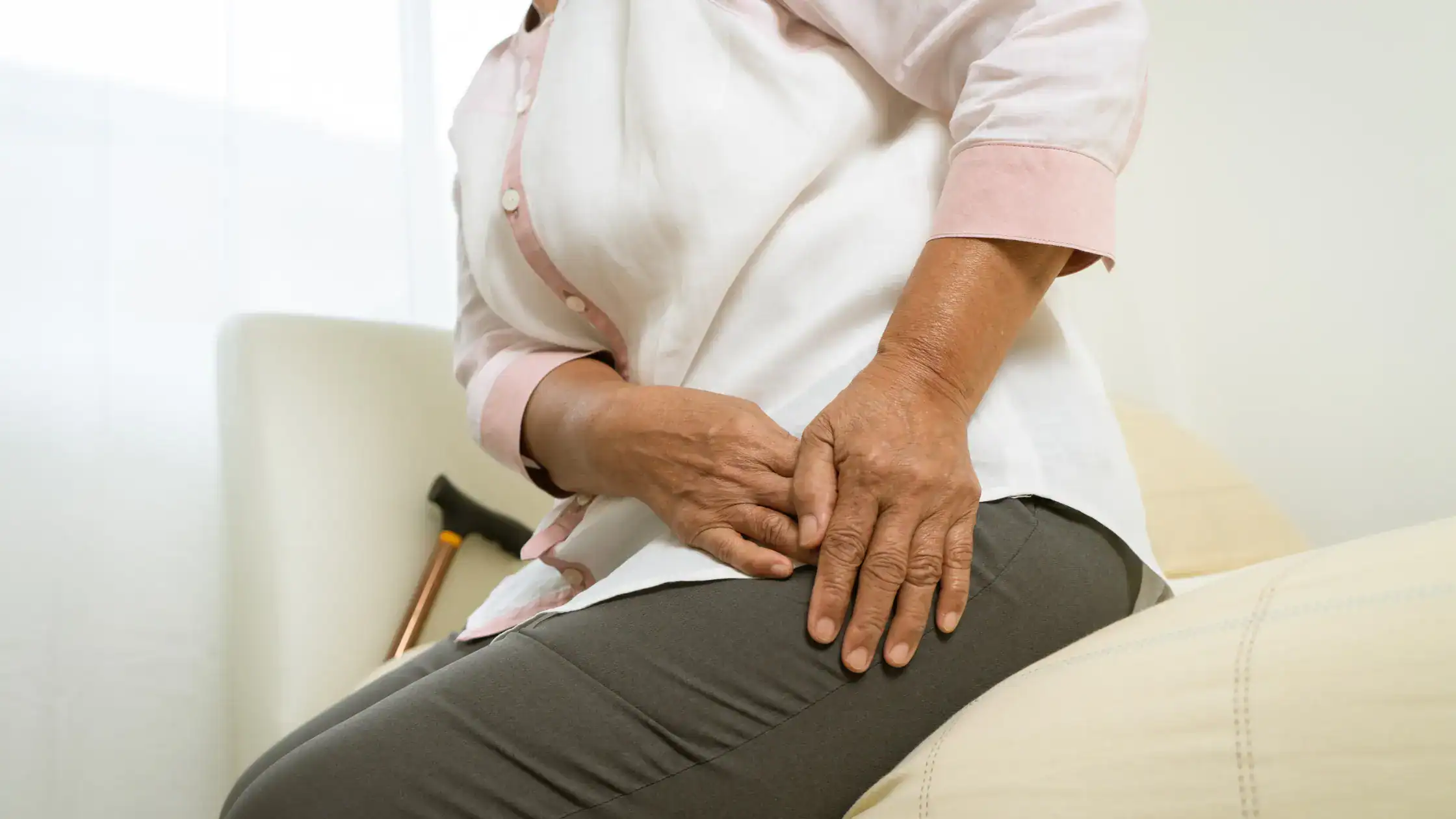
Hip Pain Can Affect Everyday Independence: Hip conditions like arthritis, bursitis, and fractures can make walking, standing, and daily activities more difficult for older adults.
Falls Are One of the Biggest Risk Factors: Serious hip injuries often happen after a fall. Balance, mobility, and home safety play a critical role in senior health.
Early Treatment Can Improve Mobility and Comfort: Physical therapy, gentle exercise, pain management, and supportive care can help reduce hip pain and improve movement over time.
A Safer Home Helps Prevent Future Injuries: Installing grab bars, improving lighting, and removing tripping hazards can lower the risk of dangerous falls at home.
Fast Emergency Support Provides Peace of Mind: Medical alert systems help seniors quickly connect with emergency assistance after a fall or sudden hip-related injury.
———-
Hip pain and other issues related to hip mobility issues become more common with aging. They are most commonly caused by osteoarthritis and hip fractures. bursitis, and tendinitis. Conditions like these can make simple everyday activities like walking, climbing stairs, and other daily activities difficult and painful. This discomfort can reduce the activity level of an older adult, negatively impacting their mobility levels and further contributing to a loss of independence.
In Canada, 95% of hip fractures result from falls, making fall prevention an important part of hip health for seniors. Treatment for hip-related issues depends on the cause but typically includes physical therapy, anti-inflammatory medications, lifestyle changes, and in some cases, surgery. Home modifications like grab bars, better lighting, and removing tripping hazards can significantly lower fall risk and support recovery.
What Do Our Hips Do?
Our hips are one of the body’s largest and perhaps most important joints. They connect our legs to our torso, allowing for smooth movement in multiple directions. It is the reason we can walk, bend, run, and even turn. Our hips support the weight of the upper body, absorb impact, and maintain balance during daily activities. It makes it easier to stay active and prevent injuries. When our hips become weak, stiff, or damaged, even simple tasks can become difficult and painful.
How Can Hip Pain Affect Our Lives?
A hip injury or any issues relating to our hips can negatively impact our day-to-day lives. It can lead to a loss of independence and worsen the quality of life. Pain, stiffness, or restricted motion can limit mobility, making walking or climbing stairs challenging. Older adults with hip issues tend to be less active, living a more sedentary lifestyle, which can lead to reduced overall activity levels, balance, and social isolation. This can quickly snowball into more serious issues. Chronic pain also interferes with sleep and overall comfort, creating a cycle that’s difficult to break without proper treatment and support.
Common Hip Issues & How To Relieve Hip Pain?
Hip Fractures (Most Often Due to Falls)
Hip fractures are one of the most serious injuries seniors can experience. They often result from falls, especially in those with osteoporosis or balance difficulties. In fact, in Canada, 95% of all hip fractures are caused by falls. Symptoms can include severe pain, inability to stand, and visible leg shortening or turning outward.
Treatment: Treatment for hip fractures typically involves surgery, followed by rehabilitation and physical therapy to regain strength and mobility. In the best cases, recovery can take months. However, over one-third of hip fractures result in an individual needing to move into a personal care home after an incident. Many seniors require mobility aids or home adjustments to prevent future falls. Preventive measures like removing trip hazards, improving lighting, and using walking supports can make a major difference.
Osteoarthritis
Osteoarthritis is the most common chronic hip condition among seniors. It affects over 4 million Canadians. Osteoarthritis occurs when the protective cartilage that cushions the hip joint wears away, causing bones to rub together. This leads to pain, swelling, stiffness, and reduced range of motion.
Treatment: Older adults dealing with hip pain from Osteoarthritis can treat this condition by utilizing a mix of medical treatments and lifestyle changes. While medications like Acetaminophen and other anti-inflammatory drugs can bring relief to some symptoms, long-term fixes require a mix of physical therapy and some surgical options. Along with medical intervention, lifestyle changes will be needed to support the recovery process. Weight management, gentle exercise (like swimming or stretching), and using supportive footwear will help the recovery process.
Bursitis and Tendinitis
Bursitis and Tendinitis are inflammatory conditions that can cause joint pain and swelling. An individual with tendinitis experiences inflammation of a tendon, which connects a muscle to a bone. Bursitis is the inflammation of a bursa, a small fluid-filled sac that acts as a cushion between bones, tendons, and muscles. Overuse, uneven walking patterns, or prolonged pressure can cause pain, especially when moving or lying on one side.
Treatment: Most treatments for Bursitis and Tendinitis focus on reducing inflammation in the affected areas and improving movement. A mix of anti-inflammatory medications, ice and heat therapy and rest can help alleviate pain. Stretching and strengthening exercises guided by a physiotherapist can help relieve pain as well, while the inflamed area heals. In some persistent cases, corticosteroid injections may be recommended.
Supportive Equipment That Can Help With Hip Issues
Recovering from or living with hip issues often requires changes not just in medical care, but may also require changes in your home environment and daily routine. These changes are required not only to make day-to-day activities more comfortable and doable, but also to prevent any further accidents that could exacerbate any issues or pain. Removing tripping hazards, adding grab bars in bathrooms and next to any steps, improving lighting, and keeping floors clear can prevent falls before they happen. Mobility aids such as canes, walkers, or raised toilet seats provide extra stability and reduce strain on the hips.
For additional safety, especially for those living alone or at higher risk of falling, a medical alert system offers the user the ability to quickly get help if they experience a fall or pain. The faster somebody can get help after an incident, the better their chances are of recovering fully and not developing further issues.
Healthy hips are the foundation of mobility and independence in our later years. Understanding common hip issues, recognizing early warning signs, and seeking timely treatment can prevent complications and improve quality of life. Combined with simple home modifications, supportive equipment, and medical alert systems, older adults can enjoy greater safety, confidence, and independence for years to come.
Disclaimer
*This article is meant to be informational in nature and should not replace the advice of a trained healthcare professional. What works for some individuals might be harmful to others. Consult a professional before making any significant changes.