
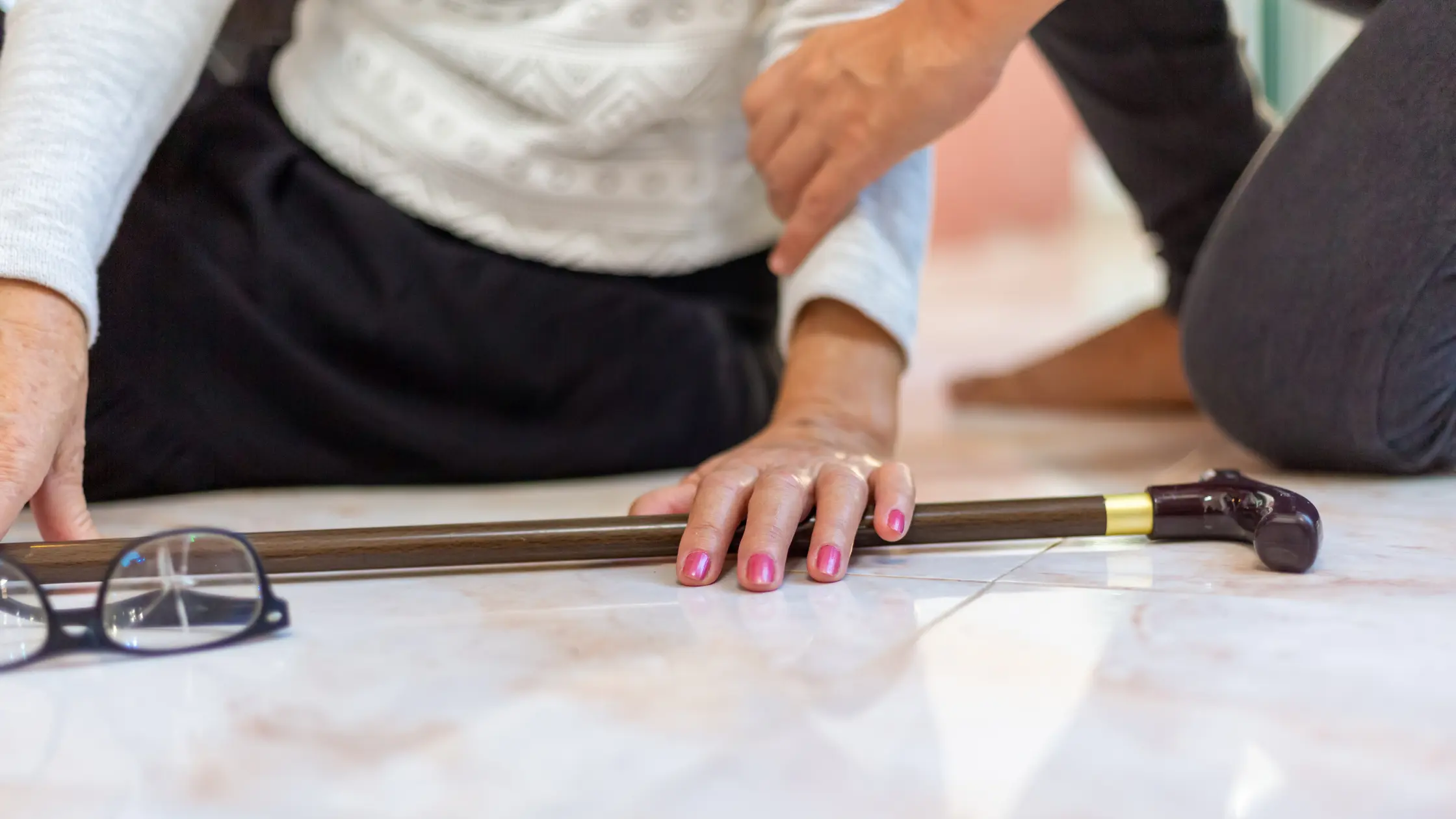
A fall for a senior can change everything in a single moment. For older adults, even a seemingly minor fall can result in serious injuries & loss of independence. Sometimes, falls can even prove to be fatal. That’s why taking steps to prevent falls should be a priority for every older adult. One in three older adults experiences at least one fall every single year in Canada. Falls are the leading cause of injury among Canadians aged 65 and older. While falls become increasingly more common in older adults as they age, they aren’t inevitable. By understanding the causes of falls, you can reduce the risk of experiencing one.
Why are Falls a Serious Issue for Seniors?
Our bodies change as we get older. Older adults’ bones can become more brittle, their reflexes slow down, and their muscle strength declines. In your senior years, a fall could have life-changing consequences. Over 95% of all hip fractures are caused by a fall. The average length of stay in a hospital from a fall is 25 days. And to add insult to injury, almost half of older adults who are hospitalized for a fall don’t return home and instead go into long-term care. Beyond the physical injuries that can happen, falls can also have an emotional effect. Many older adults develop a fear of falling again. This often creates a negative cycle that causes older adults to be less mobile and active due to a fear of experiencing another fall and related injury. This can lead to reduced activity and social isolation. By learning about the causes of falls, seniors and their families can take action to prevent them before they happen.
When do Elderly People Fall the Most?
Falls most commonly occur during daily transitions. Actions like getting out of bed, stepping out of the shower, or even standing up too quickly can put you at risk of experiencing a fall. Falls are also more likely to occur when the environment is less than ideal for older adults. Icy surfaces outdoors and cluttered floors indoors can increase the chances of a fall occurring in even the youngest of individuals. Falls are also more likely during times of illness, fatigue, or medical changes (new medications, walking around with a cast, etc). Monitoring changes to your health and your environment is crucial.
What can put you at Risk of Falling?
Several health conditions and age-related changes increase fall risk:
Muscle Weakness or Poor Balance
As people age, they tend to lose muscle mass and strength, especially if they’re not regularly active. This can affect posture, coordination, and reaction time, making it harder to catch yourself if you trip or stumble. Balance disorders are also common and can lead to unsteadiness, particularly when standing or walking.
Prevention tip: Engage in regular strength and balance exercises like walking, tai chi, or physiotherapy-approved workouts to maintain stability and confidence in movement.
Vision Loss
Poor vision increases the chances of a fall happening. Healthy vision helps with detecting obstacles, judging distances, and navigating steps or uneven surfaces. Common age-related eye conditions, such as cataracts, glaucoma, and macular degeneration, reduce visibility and depth perception, increasing the risk of falls and missteps.
Prevention tip: Have your eyes checked annually and ensure that any necessary corrective lenses are up to date. Use bright lighting and contrasting colours in your home to enhance visibility.
Hearing Loss
Hearing loss can also increase the risk of experiencing a fall. Our sense of balance is linked to the inner ear. Additionally, hearing loss may make it harder to detect cues from the environment, such as someone warning you about a nearby hazard.
Prevention tip: Schedule hearing exams regularly and wear prescribed hearing aids to support both communication and spatial awareness.
Chronic Health Conditions
Chronic conditions such as arthritis, diabetes, Parkinson’s disease, or heart disease can all contribute to instability. For example, arthritis can make joints stiff or painful, limiting mobility. Diabetes may cause nerve damage (neuropathy) in the feet, reducing sensation and increasing the chance of tripping.
Prevention tip: Work with your healthcare provider to manage chronic conditions effectively. Stay as active as your health allows and take steps to adapt your home if mobility is affected.
Medication Side Effects
Even though they can be incredibly important, some medications can cause dizziness, lightheadedness, or drowsiness. Taking multiple medications increases the risk of interactions and balance issues.
Prevention tip: Review your medications regularly with your pharmacist or doctor, especially after any dosage or prescription change. Report any side effects like dizziness or fatigue right away. Using a medication management dispenser can also help you not miss any doses.
Foot Pain or Poor Footwear
Taking care of your feet and wearing good footwear isn’t just about aesthetics. Foot conditions such as bunions, corns, or nerve pain make walking uncomfortable and unsteady. Poor-fitting or non-supportive footwear, like slippers or shoes without grip, can also contribute to slips and falls.
Prevention tip: Visit a foot care specialist if walking becomes painful or difficult. Wear supportive, non-slip shoes at all times, even indoors.
Most Common Places for Falls
Falls can happen anywhere, but these three areas in the home are particularly high-risk:
Bathroom
The potential of water pooling on the ground and smooth surfaces makes bathrooms one of the most common fall locations in any home. Slippery floors, getting in or out of the tub, and reaching for items can all be dangerous.
Prevention tip: Install grab bars, use non-slip mats, and keep necessities within easy reach.
Bedroom
Falls often occur when getting in or out of bed, especially during nighttime bathroom trips. Clothing lying on the ground from the previous day(s) can also be a tripping hazard.
Prevention tip: Use nightlights, avoid placing rugs near the bed, put clothing away, and place a sturdy chair or walker nearby if needed.
Living Room
Clutter, loose rugs, or furniture at knee level can create tripping hazards in frequently used spaces.
Prevention tip: Keep walkways clear, tape down cords, and remove or secure throw rugs.
Get a Medical Alert Device
Now that we know the most common causes of falls, we can take steps to reduce the likelihood of a fall occurring. Unfortunately, there will always be things that are out of our control. A fall can happen anywhere and at any time. But having an extra layer of protection can make all the difference. A medical alert system helps you ensure that help is available at the push of a button. This way, you’re able to get help quickly if an incident happens. The faster you’re able to get help, the greater your odds are of a better recovery.
Falls don’t have to take away your independence. With the right precautions and supports in place, older adults can continue living safely and confidently in their own homes.
Disclaimer
*This article is meant to be informational and should not replace the advice of a trained healthcare or financial professional. What works for some individuals might be harmful to others. Consult a professional before making any significant changes.