
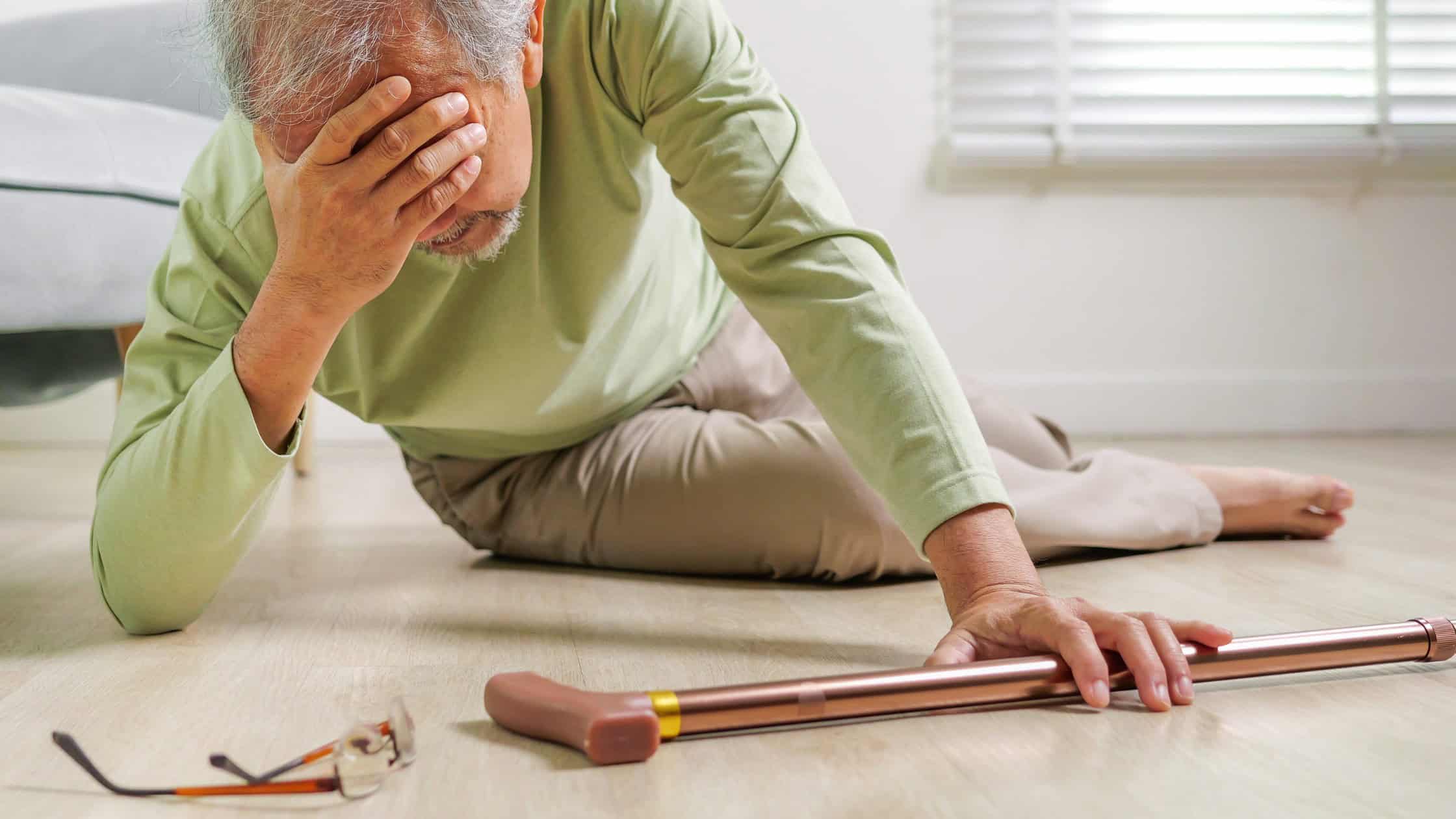
Fall detection in a medical alert device is designed to automatically call for help if a senior falls, even if they’re unconscious or unable to press the button themselves. For older adults living alone or spending long periods alone, an added feature like fall detection can be life-saving.
One in three adults over 65 experiences a fall each year, and the longer someone goes without help, the worse the outcomes tend to be. Fall detection closes that gap by using sensors to detect a sudden change in position and automatically connecting the wearer to a 24/7 monitoring centre, no button press required.
The main benefits of fall detection in medical alert devices include:
- Automatic response: help can be initiated without the wearer pressing anything
- Faster emergency response: reducing the risk of complications from delayed care
- Peace of mind: for both the senior and their caregivers
Fall detection, as an added service, is very valuable for older adults who live or spend a lot of time alone. It can also provide great benefit for those with mobility challenges and people managing chronic conditions like Parkinson’s or osteoporosis. This guide covers how medical alarm systems with fall detection work, who benefits most, and what to look for when choosing a device.
What Does Fall Detection Do?
Fall detection is a feature commonly offered with medical alert devices or other wearable smart technologies. It can automatically sense when a person has fallen and alert emergency services or designated caregivers. Sensors detect abrupt changes in position (and other variables) that commonly indicate a fall. If a fall is detected, the device can take action to help you assure your safety. Depending on whether you use a medical alert device or a wearable smart device, it can either send a signal to a monitoring center, which then contacts the individual through a speaker in the device to make sure they are okay and get them help if needed, or simply provide the wearer with a quick option to call an emergency contact.
We should note that no fall detection system is 100% accurate. Falls are complex, and no two are the same. If able, subscribers are advised always to press the button if they need help.
What are the Benefits of Fall Detection?
Automatic Detection
The primary benefit of wearing a fall-detection device is its ability to potentially detect a fall without you having to press the button. Why does this matter – after all, it’s not that hard to press a button. But what if you are unconscious, seriously injured, in shock, or have your hand pinned under your body? If that happens, fall detection can provide that extra layer of safety. Of course, we never hope for the worst, but we should be prepared for it.
Quick Emergency Response
If a fall happens and you’re unable to press the button yourself, help can still be dispatched quickly. This can significantly reduce the risk of long-term injuries and complications. The quicker you can get help, the better your recovery outcomes.
Peace of Mind
Fall detection can offer peace of mind not only for the person using the device but also for those who care for them. For caregivers, a fall detection device may offer reassurance and can help manage potential crises effectively.
Who Needs Fall Detection?
Fall detection can certainly benefit anybody who uses it. However, the service does provide more benefits for some than it does for others. Fall detection is particularly beneficial for:
Older Adults Living Alone
Seniors who live independently can benefit significantly from the added security of a fall detection device. Individuals who live with partners may also benefit from a medical device depending on the health situation of each partner. Lastly, individuals who live in assisted living facilities may also want to consider using a fall detection device. Even though you are living in a senior community, anytime you are behind closed doors, and your calls for help after a fall may go unheard, a fall detection device is a great safety option.
Individuals with Mobility Issues
Health or mobility issues can affect your balance or mobility. This can increase your risk of experiencing a fall. This can also include individuals recovering from surgery who may have temporary mobility issues, making them more susceptible to falls.
Chronic Health Conditions
People with chronic conditions like Parkinson’s disease, arthritis, or osteoporosis may find fall detection devices particularly useful. For some, pressing a help button can in itself prove to be difficult.
Things To Consider Before Making A Decision
Fall detection is a wonderful extra layer of protection that can benefit almost anybody. But, like all technology, it isn’t perfect. There are a few things that you may want to consider beforehand. A few things you should consider are:
Type of Device
The two most common fall detection systems are traditional medical alarms and a wearable smartwatch. Medical alert devices, like Victoria Lifeline’s HomeSafe with Fall Detection or the Apple Watch, are specifically designed for older adults and those at higher risk of falls. While both use a variety of sensors to determine if a fall occurred, they do not provide the same layer of protection.
1. Traditional Medical Alarms worn high up on the body, around chest level or higher, are more accurate than those worn around the wrist, due to the proximity to the body’s center of gravity. False alarms are also more common with fall detection sensors worn around the wrist. This is largely because people talk with their hands and perform other exaggerated hand gestures throughout the day.
2. Medical Alarms with fall detection put the wearer in contact with a Response Centre where trained responders communicate with the person directly to find the exact help they need, whether it be a family member to check on them or EMS if the issue is more serious. In contrast, while most wearable smartwatches like the Apple Watch include fall detection and other health-tracking features, they primarily serve as multifunctional devices with additional apps and notifications. The focus is not on a medical alarm, and navigating the features of the device may be challenging for some older adults living with chronic conditions like arthritis. Unmonitored smartwatches do not provide the continuous, specialized monitoring that dedicated medical alert systems offer. If getting help reliably and quickly is the ultimate goal, a device who’s primairy purpose is getting you help is the way to go.
3. Smart watches rely on the wearer to continuously charge the device, while most medical alarms have a battery that can last for multiple months before needing to be replaced (not including mobile medical alarms with fall detection, like Victoria Lifeline’s On the Go mobile medical alert systems).
Affordability
Wearable smart devices come with a high upfront cost that can be a deterrent for many. Medical Alarms tend to be more affordable. Many popular services offer a lower monthly monitoring fee with a one-time installation fee. This is a great option for those wanting to try out the service and see if it’s right for them. Victoria Lifeline even has a subsidy program for lower-income Manitobans.
Accuracy
Though technology has improved a lot over the last decade, fall alarms do sometimes happen. When they occur, cancelling is fairly quick and easy. But if you or your loved one is easily aggravated by technology, the false alarms may cause some stress. Luckily, Victoria Lifeline has other service options as well. We always say, “The best medical alert device is the one that is worn.”
Medical Alarms with Fall Detection are a reliable and trusted choice for Canadians seeking peace of mind. This service offers 24/7 monitoring and rapid response. By investing in a fall detection device like Victoria Lifeline HomeSafe with Fall Detection, you are taking proactive steps to protect yourself and your loved ones.
Disclaimer
*This article is meant to be informational and should not replace the advice of a trained healthcare professional. What works for some individuals might be harmful to others. Consult a professional before making any significant changes. No fall detection device is 100% accurate. If able, always press the medical alert button for help.