
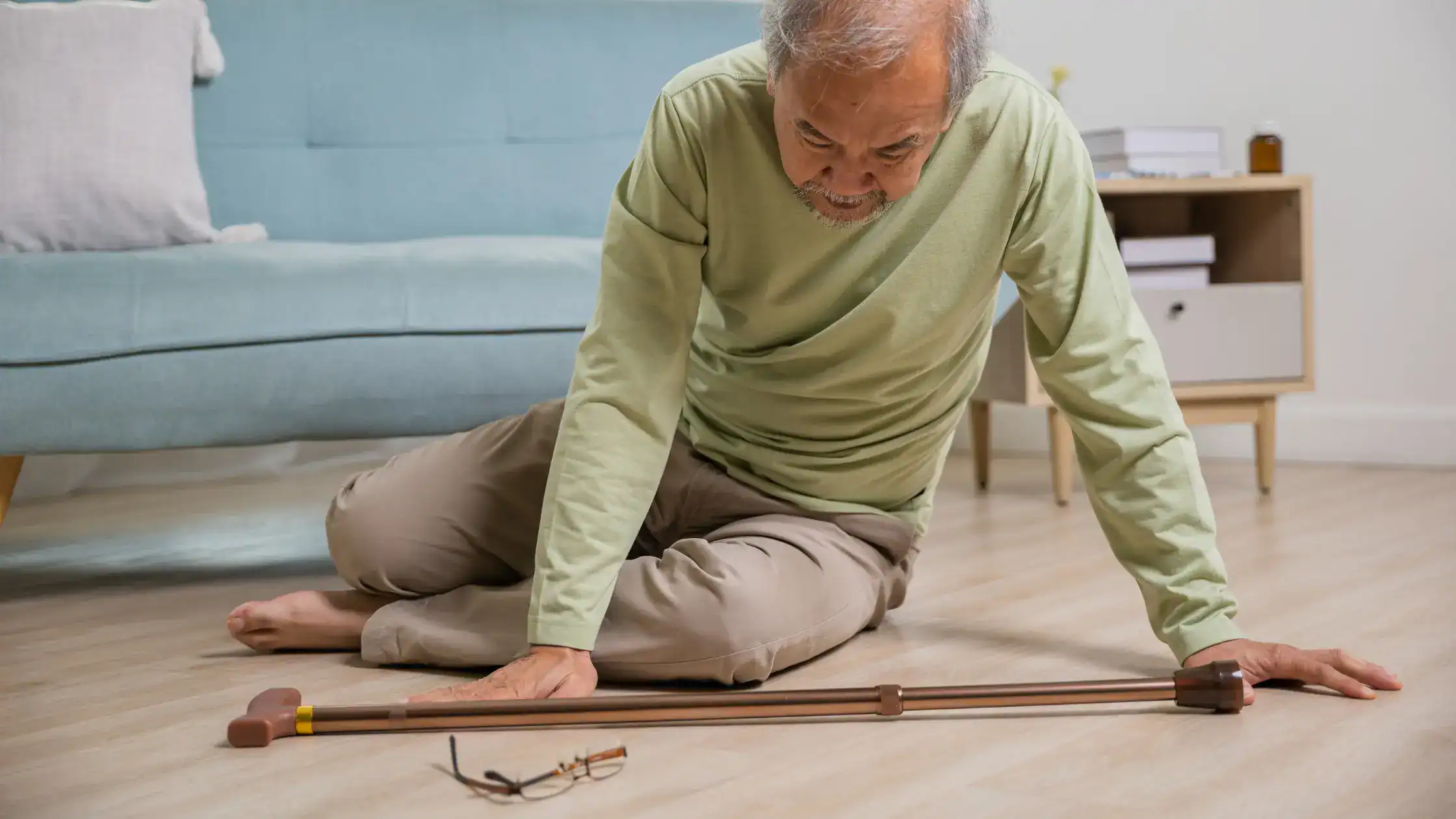
Stay Calm and Assess the Situation First: Why seniors should pause after a fall, check for injuries, and avoid rushing to stand up too quickly.
Follow a Safe Step-by-Step Recovery Method: Learn how to roll onto their side, move to hands and knees, crawl to sturdy furniture, and slowly rise safely after a fall.
Know When to Call for Help: Learn how pain, dizziness, or possible injuries are signs to use a phone or medical alert system instead of trying to get up alone.
Medical Alert Systems Improve Fall Safety: This guide emphasizes how emergency response devices help seniors quickly connect with trained responders when a phone is out of reach.
Fall Recovery Skills Support Independence: Learning and practicing safe fall recovery techniques can help older adults stay confident, prepared, and independent at home.
———-
Falls can happen to anyone, but they become more common and more serious as we get older. Every year, one in three older adults experiences at least one serious fall. These falls most often happen in the space we are most familiar with, our own homes. The most common spaces for falls to happen are in our living rooms, bedrooms, bathrooms and on the stairs. Why do falls become more common as we age? The aging process can affect balance, strength, and vision, making it easier to lose footing.
Some falls cause only minor injuries, while others can be quite painful and cause lasting damage. Another real danger comes from lying on the floor for too long. Issues like dehydration, internal organ damage/bleeding, and developing infections can exacerbate the situation if not treated quickly. That’s why knowing how to quickly get up from a fall and get help if needed is so important and sometimes time-sensitive. Let’s walk through how to stay calm, assess your situation, and get help when needed.
Assess the Situation After a Fall
Staying calm and assessing your situation is the first thing any older adult should do after a fall. Unfortunately, this step is often overlooked. In some cases, trying to get up on your own right after a fall can make things worse. If you feel sharp pain, your head is spinning, or you suspect a broken bone, do not attempt to stand. Standing up when you shouldn’t could worsen the injuries, create new issues, and you could be putting yourself at risk of falling again and obtaining new injuries. Injuries from a fall aren’t immediately obvious, and forcing yourself up can cause additional harm.
Ask yourself:
- Am I in pain?
- Can I move my arms and legs?
- Do I feel dizzy or weak?
If you are experiencing sharp pain or dizziness, waiting for help may be a better option than trying to get up on your own. Getting help isn’t giving up; it’s the smart thing to do. If you have a medical alert button, press it to connect immediately with trained response staff who can send help right to you. If you can reach your phone, call a family member, friend, or emergency services. Waiting safely is far better than risking another fall or making an injury worse.
If you do not feel any pain, dizziness, or if you are unable to get help quickly, then getting up on your own might be appropriate and sometimes, even necessary. Look around. Is there something nearby that can help you, such as a sturdy chair, a couch, or a table leg? A chair or other stable surface to sit on is preferred. Also, check your surroundings for anything that might make getting up unsafe, for example, spilled liquids, sharp objects, or stairs. Stay calm and thoughtful before making any movement.
How to Get Up From a Fall
After assessing your injuries after a fall and determining you are not hurt, you can attempt to get up, but do it very slowly and carefully.
Again, we stress that getting up after an injury is not ideal and can be dangerous. That’s why being able to get help after a fall is so important. Medical alert devices are the best way to ensure help is always available to you. Sometimes, we aren’t able to get to the phone after a fall.
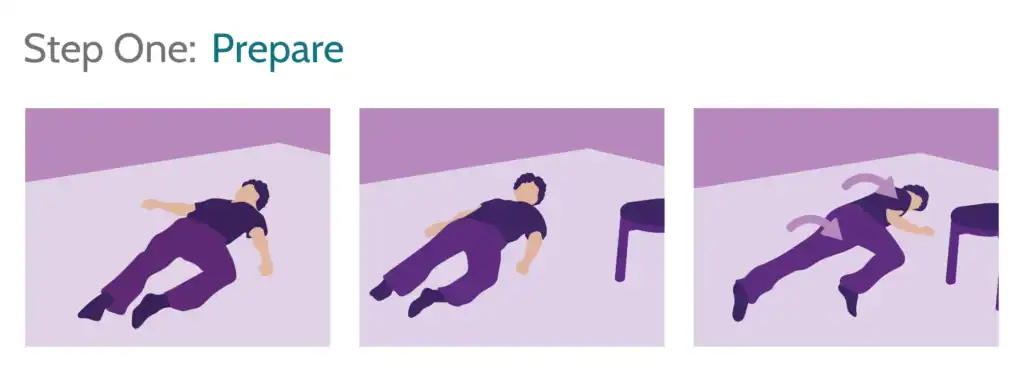
Assess and Prepare
First, pause and take a few deep breaths to steady yourself. Do not get up quickly. If hurt, call for help using a medical alert system or a telephone if it’s within reach. Next, find something sturdy, such as a piece of furniture. Then, roll onto your side, turning your head first, then your shoulders, followed by your hips, and then finally your leg.
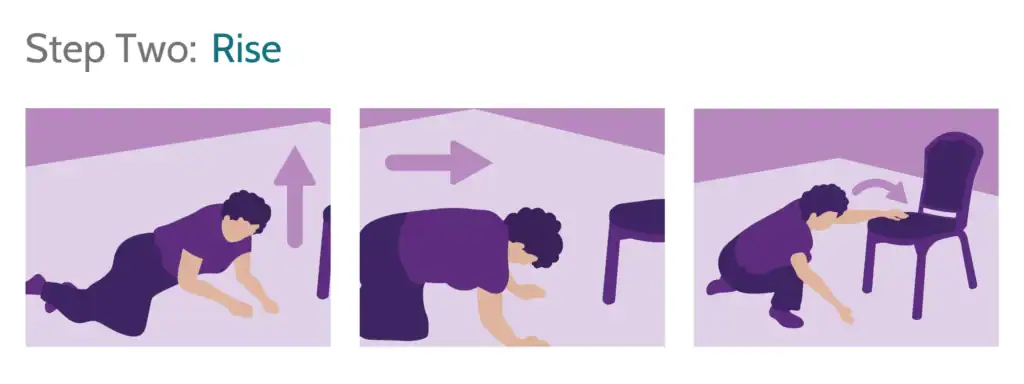
Rise Onto Your Hands and Knees
Once you’re on your side, gently push your upper body up with your arms. Lift your head last to avoid dizziness. Pause for a few moments and make sure you’re steady. Once you’ve risen onto your hands and knees, crawl to something sturdy that you can hold on to. While holding on to something sturdy, slide one foot forward so it’s flat on the floor.
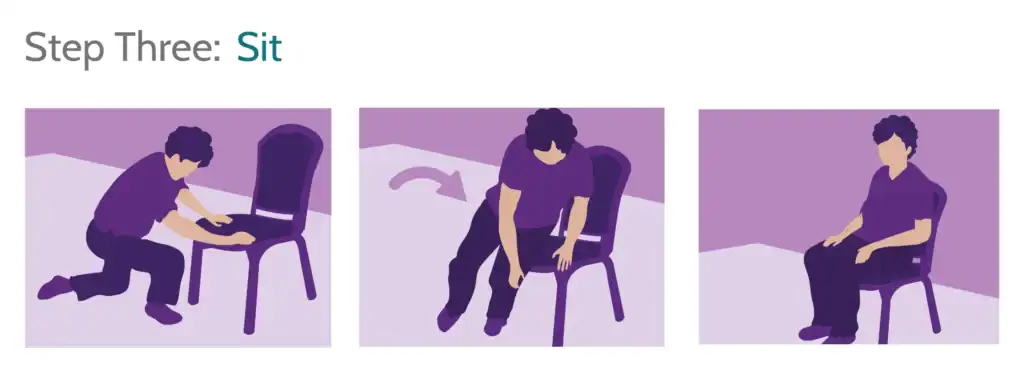
Raise Yourself Slowly and Sit
When you feel balanced, push up slowly with your arms and legs until you are standing or sitting on the chair. Turn your body so you can sit down. Take a few moments to catch your breath and ensure you’re not feeling dizzy before attempting to move further.
Calling for Help is Important
Even when you know the steps to get up safely, getting up off the ground just isn’t possible for some older adults after a fall. That’s when calling for help becomes essential, but reaching a phone isn’t always easy. We often hear older adults say, “I’ll just call for help on my phone.” But what if you’re in another room or the phone is out of reach? During this time, waiting for someone to notice can feel frightening and unsafe, especially if you live alone.
That’s why having a medical alert system, such as Victoria Lifeline, can make all the difference. With just the push of a button, you’re connected instantly to trained responders who can help you assess your situation and send help right away. These systems are designed to provide peace of mind and independence. Whether you’re home alone, in the garden, or even in bed, help is always available.
Get a Check-Up if You Experience Pain
Even if you can get back up on your own and are not experiencing any pain, it’s still a good idea to consult a medical professional. Sometimes, things can be wrong, and we don’t notice until they become bigger problems that are harder to deal with. As we age, our bones and muscles can become more fragile, and sometimes injuries don’t show up right away. If you do experience pain or discomfort after a fall, it is recommended that you get checked out by a medical professional shortly after.
If you use a walker or a cane, mention the fall to your healthcare provider. They can check whether your mobility aids are still the right height and provide guidance to help prevent future falls. Victoria Lifeline encourages older adults to take a proactive approach to wellness and fall prevention. Small steps like regular check-ups, safety planning, and fall-proofing your home can make a big difference.
Disclaimer
*This article is meant to be informational in nature and should not replace the advice of a trained healthcare professional. What works for some individuals might be harmful to others. Consult a professional before making any significant changes.